

Prep, wash and serve
This section covers the stainless steel equipment that keeps prep moving, washing organised and service clean and efficient. From mixers and slicers to sinks, washers, warmers and trolleys, we supply practical options for restaurants, hotels, canteens, takeaways and food service kitchens.
Built around the working side of the kitchen
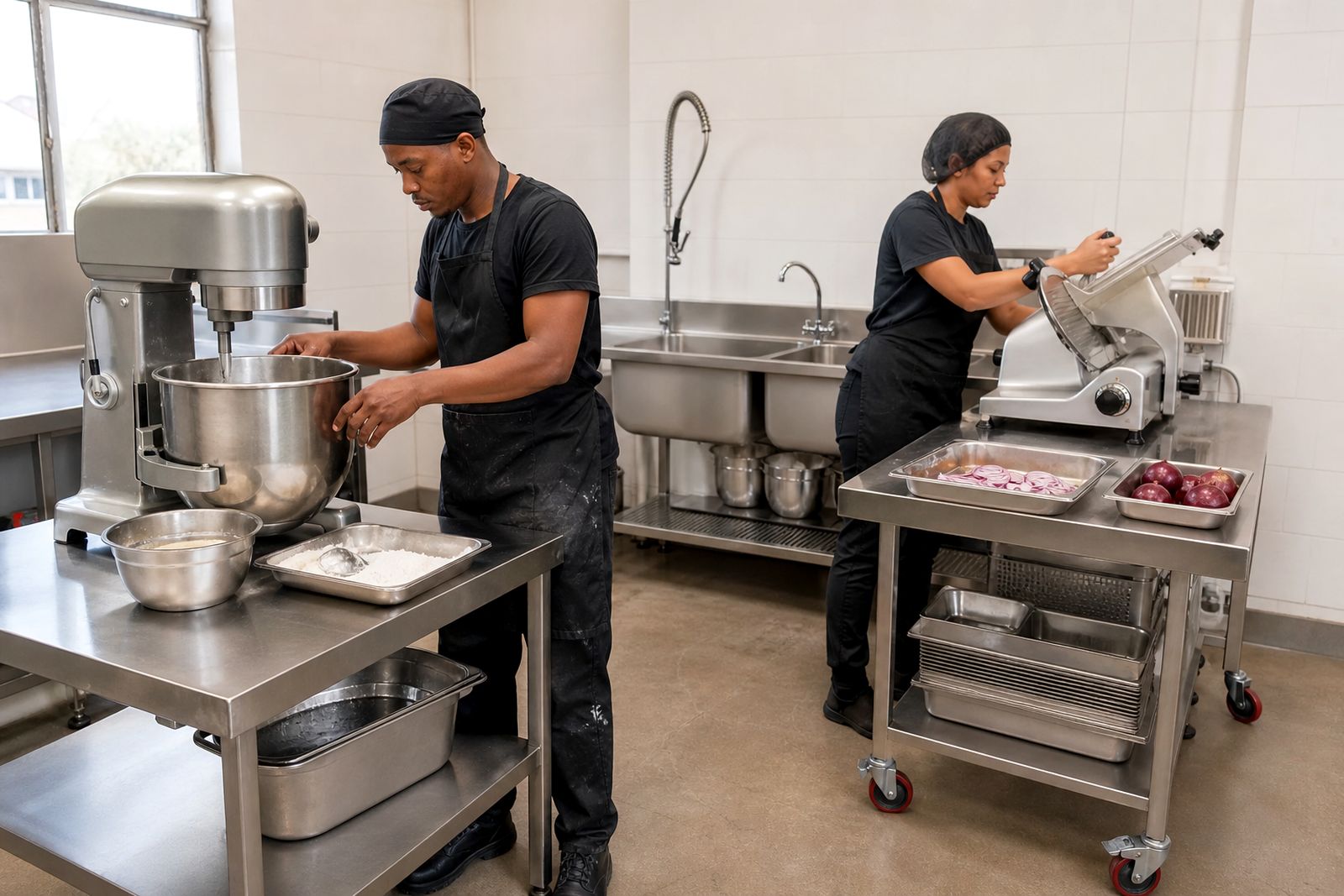
Prep, wash and serve equipment sits between receiving stock and sending plates out. In a busy kitchen, this is the gear that gets used all day: benches for prep, sinks for washing, machines for slicing and mixing, and service units that hold food at the right temperature until it goes out. Choosing well here makes a real difference to labour, cleaning time and how smoothly staff can move during a rush.
At Coastal Metal we manufacture, import and supply stainless steel catering equipment from Cape Town for Western Cape sites and freight orders further afield. Our range for this section includes mixers and mincers, slicers, prep and pot sinks with grease traps, dish and glass washers, tables and shelving, food warmers and bain maries, plus tea, dirties and cutlery trolleys. Where an off the shelf item does not suit the site, we can also assist with custom stainless steel fabrication.
Choose by workflow, not only by floor space
The best starting point is to map the order of work: prep, cook, plate, clear, wash and put away. A small takeaway in Woodstock needs very different equipment from a hotel kitchen in the Winelands or a school canteen on the West Coast. Think about who uses each station, what must be kept close by, and what causes delays now. Even a compact kitchen can work well if the hand wash point, prep sink, storage shelf and service trolley are placed sensibly.
- Prep first: benches, shelving, mixers, mincers and slicers should sit close to cold storage and waste bins.
- Separate washing areas: prep sinks and pot sinks should not interrupt plating and pass areas.
- Allow for service movement: trolleys need turning room, and bain maries need safe access for staff.
- Plan around utilities: water, waste, drainage and power points must suit the equipment chosen.
- Think about cleaning: open undershelves, splashbacks and sensible leg positions save time at close-up.
Prep equipment for steady output
Mixers, mincers and slicers are usually chosen by menu, batch size and how often they will run during the day. If a site produces dough, patties, sauces or deli cuts in-house, the right prep machine can remove a bottleneck quickly. For many kitchens the question is not whether to add prep equipment, but which jobs must be done by machine and which still need a simple stainless worktop and good layout.
Benches and shelving matter just as much as the machines. Stainless steel work surfaces cope well with coastal humidity and regular cleaning, and they are easier to keep sanitary in hard-working food areas. Open shelving suits dry goods and frequently used containers, while enclosed units can help where dust or splash is a problem. If your menu changes often, modular pieces are usually easier to live with than one oversized unit.
Sinks, grease traps and washing areas
Wash-up planning is often left too late, yet it affects hygiene, drainage and staff flow every day. Prep sinks, pot sinks and hand wash points each serve a different purpose, and crowding them together can slow everyone down. Grease handling also needs proper thought, especially for takeaway kitchens and any site producing oily waste. Municipal and compliance requirements apply, and a qualified installer should handle plumbing and related connections.
- Prep sinks: suited to vegetable washing, light rinsing and general food prep support.
- Pot sinks: deeper bowls for larger cookware, trays and bulky utensils.
- Grease traps: important where fats and food residue would otherwise create drainage problems.
- Splashbacks and drainers: useful where wall protection and drying space are needed.
- Hand wash points: should be easy to reach without crossing dirty wash-up paths.
In older Cape Town buildings, drainage falls and existing pipe runs can limit where equipment goes, so it helps to finalise sink positions before the rest of the line is fixed. This avoids awkward rework later and makes the kitchen easier to clean.
Dish washers, glass washers and service equipment compared
For front and back of house support, it helps to compare equipment by the job it does rather than by appearance. A dish washer for plates and kitchenware is not the same choice as a glass washer for bars and beverage service, and a bain marie serves a different purpose from a trolley or holding shelf.
- Dish washers: better for crockery, cutlery and general service ware from meal periods.
- Glass washers: suited to bars, cafés and venues where fast glass turnaround matters.
- Food warmers and bain maries: hold prepared food for serving, useful for canteens, buffets and pass areas.
- Tea, dirties and cutlery trolleys: improve clearing, sorting and movement between service and wash-up zones.
- Tables and shelving: support staging, landing and organised storage around the washer area.
If power supply is unstable in your area due to power cuts, it is worth planning how washers and heated service equipment fit into the site's backup arrangements. A qualified installer must assess electrical and water requirements before commissioning.
When custom stainless steel makes more sense
Standard equipment works for many kitchens, but some sites need a custom answer. Narrow passages, uneven walls, low windows, unusual drainage points or a pass area that must line up exactly with cooking equipment can all make a made to measure item the better option. Custom benches, cupboards, sink runs and serving counters can help use every metre properly without making the kitchen feel cramped.
This is especially useful in coastal properties where cleaning routines are frequent and moisture in the air can be hard on unsuitable materials. Stainless steel remains a practical choice for food service areas because it is straightforward to clean and suits high-use environments. If you are planning a new fit-out or replacing tired pieces one by one ask for a quote through our contact page and tell us what the kitchen needs to achieve.
Explore the range
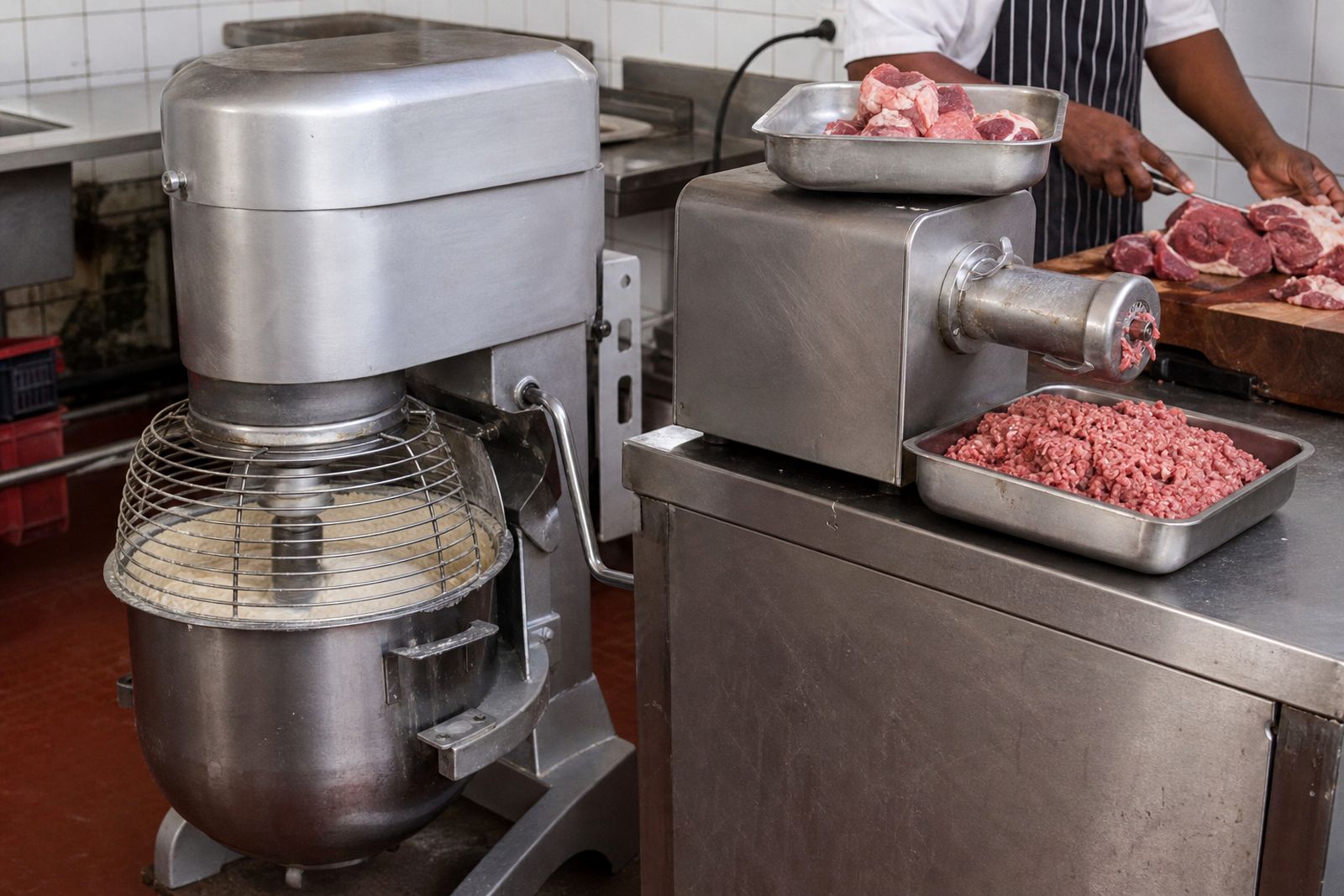
Mixers and mincers
Commercial planetary mixers and meat mincers selected for everyday kitchen prep and steady service work.
Read more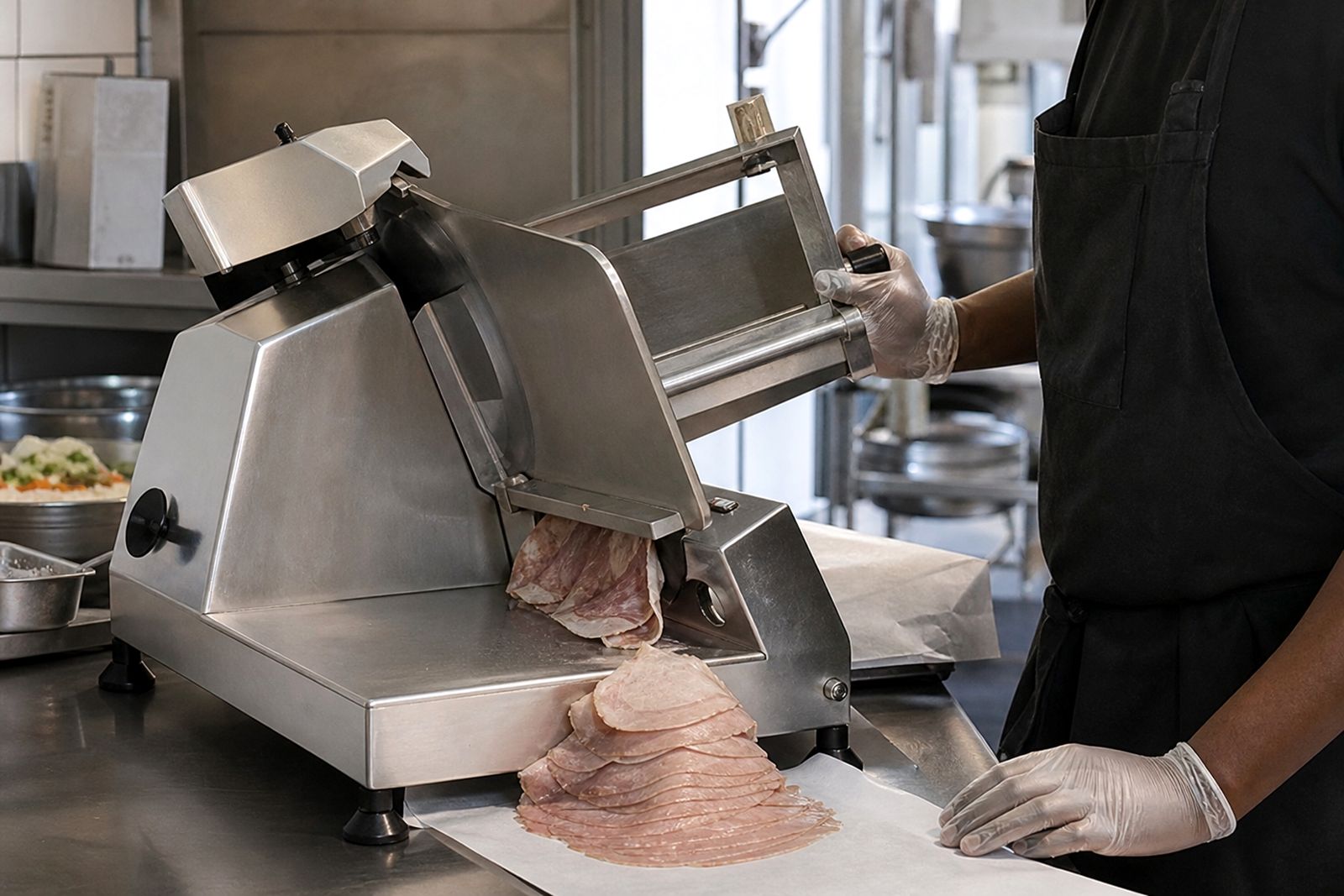
Slicers
Commercial slicers for deli, cheese and cooked meats, matched to your kitchen workflow and cleaning routine.
Read more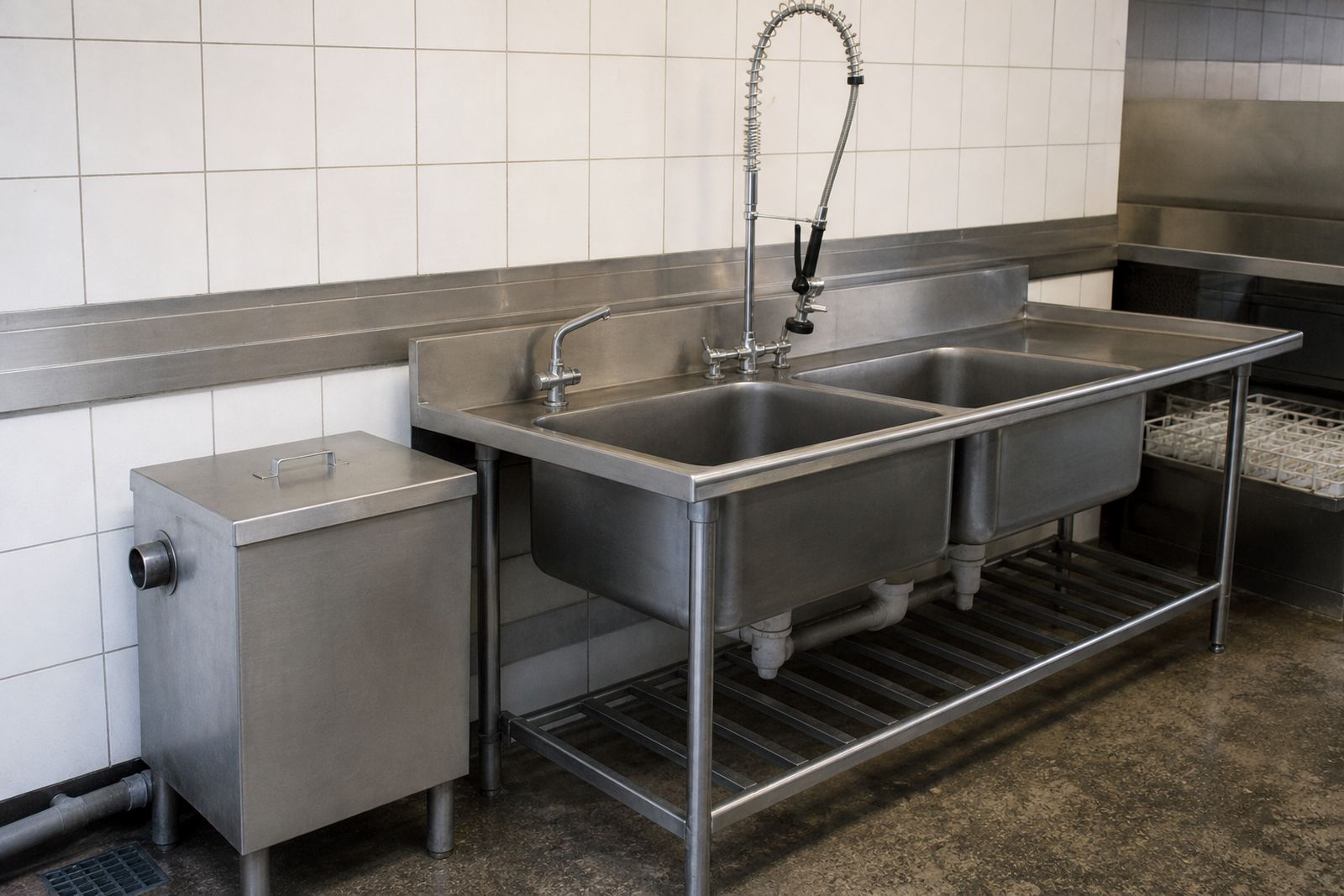
Prep sinks, pot sinks and grease traps
Stainless wash-up stations and grease traps built or supplied for busy commercial kitchens.
Read more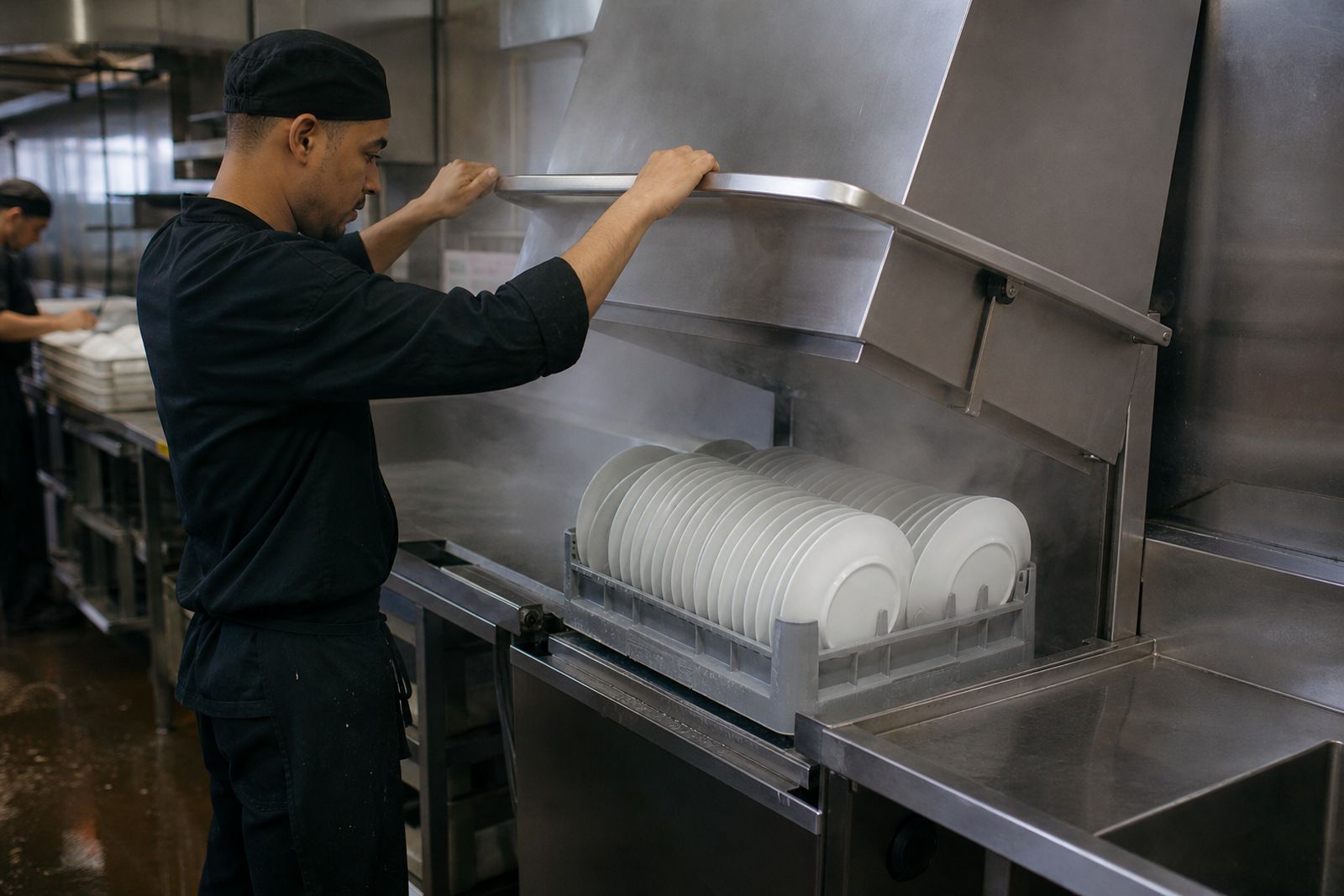
Dish and glass washers
Commercial dish and glass washers for bars, cafés and busy kitchens across the Western Cape.
Read more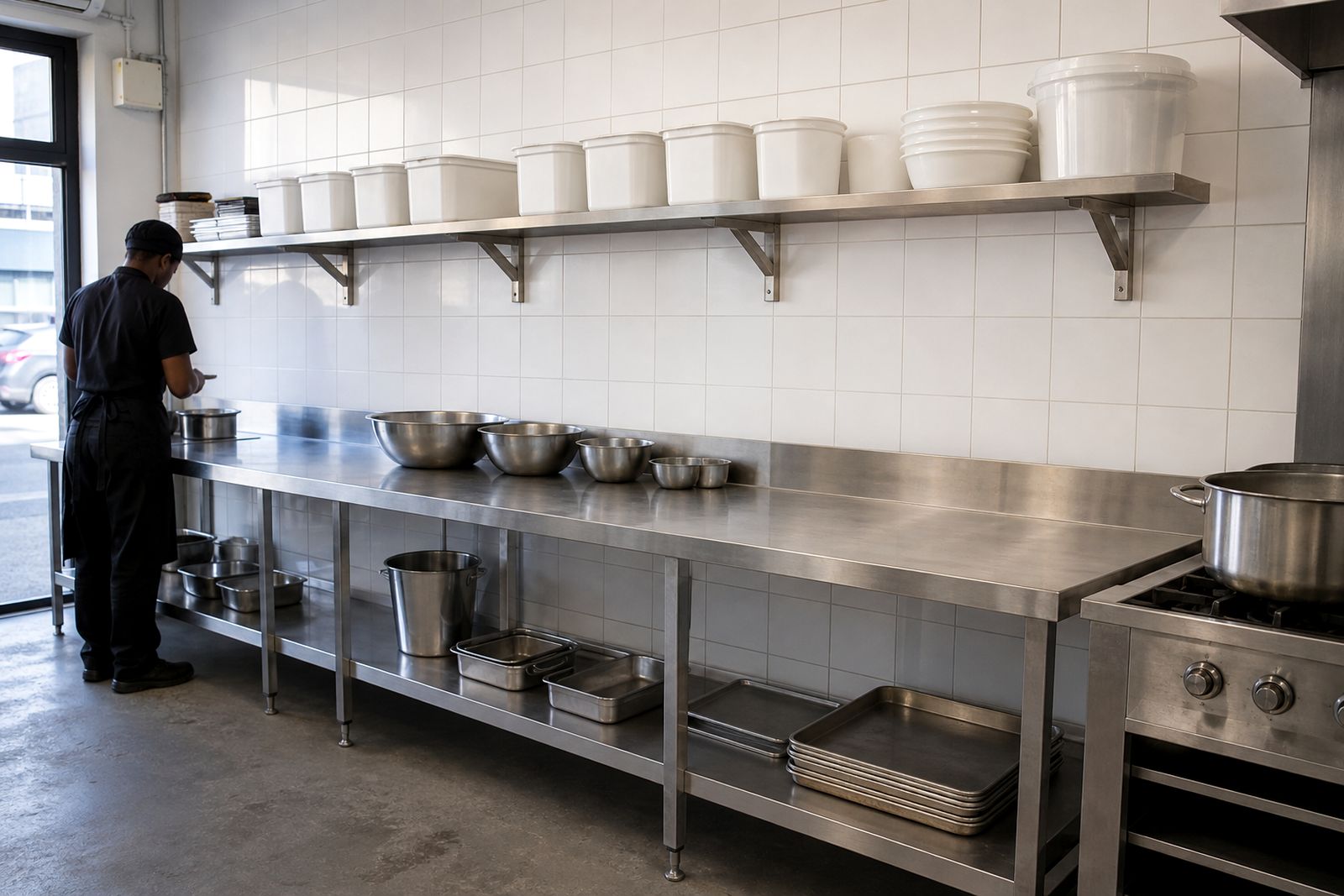
Tables and shelving
Stainless steel benches, wall shelves and racking for prep, storage and service areas.
Read more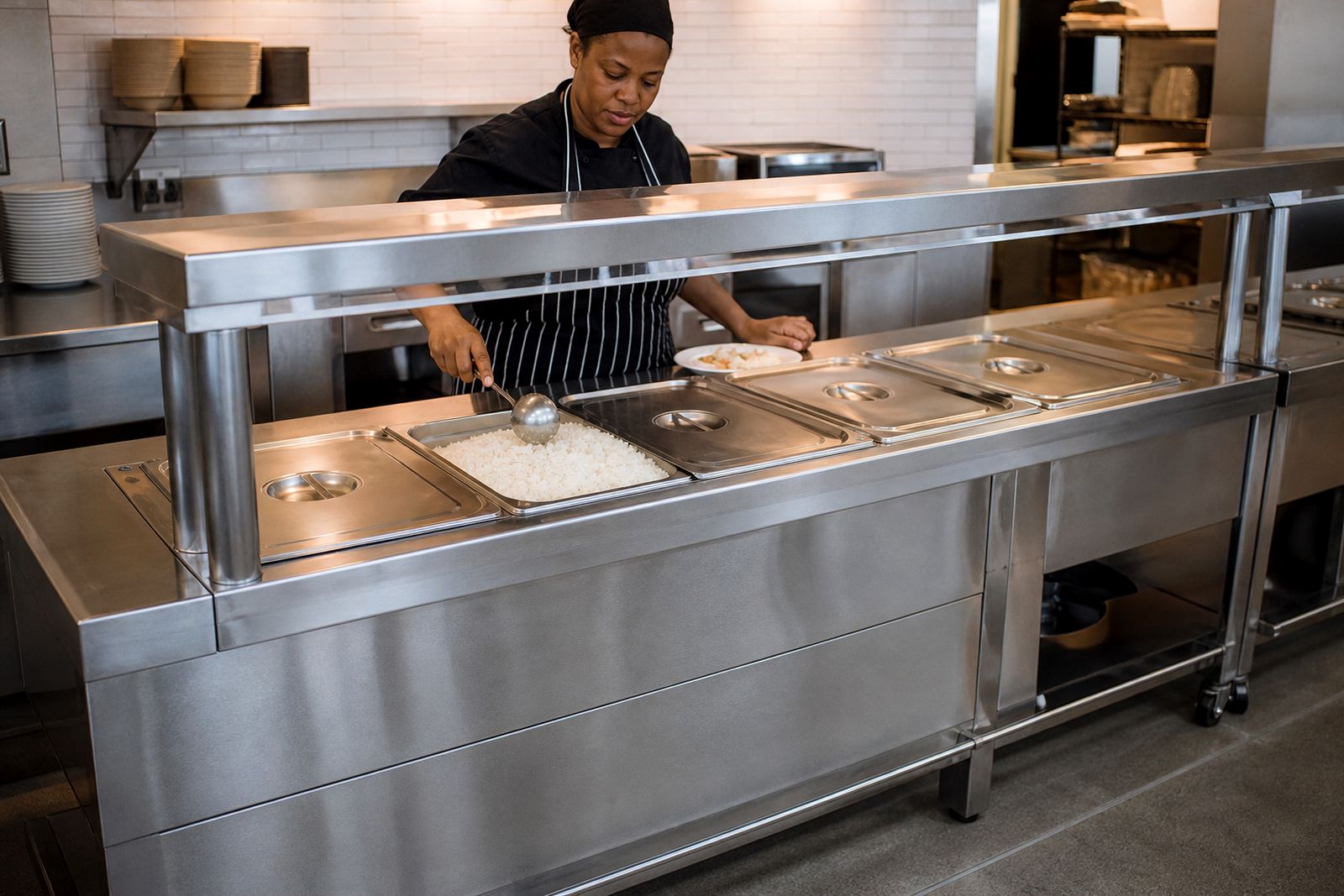
Food warmers and bain maries
Stainless steel hot holding units for service lines, counters and pass areas across commercial kitchens.
Read more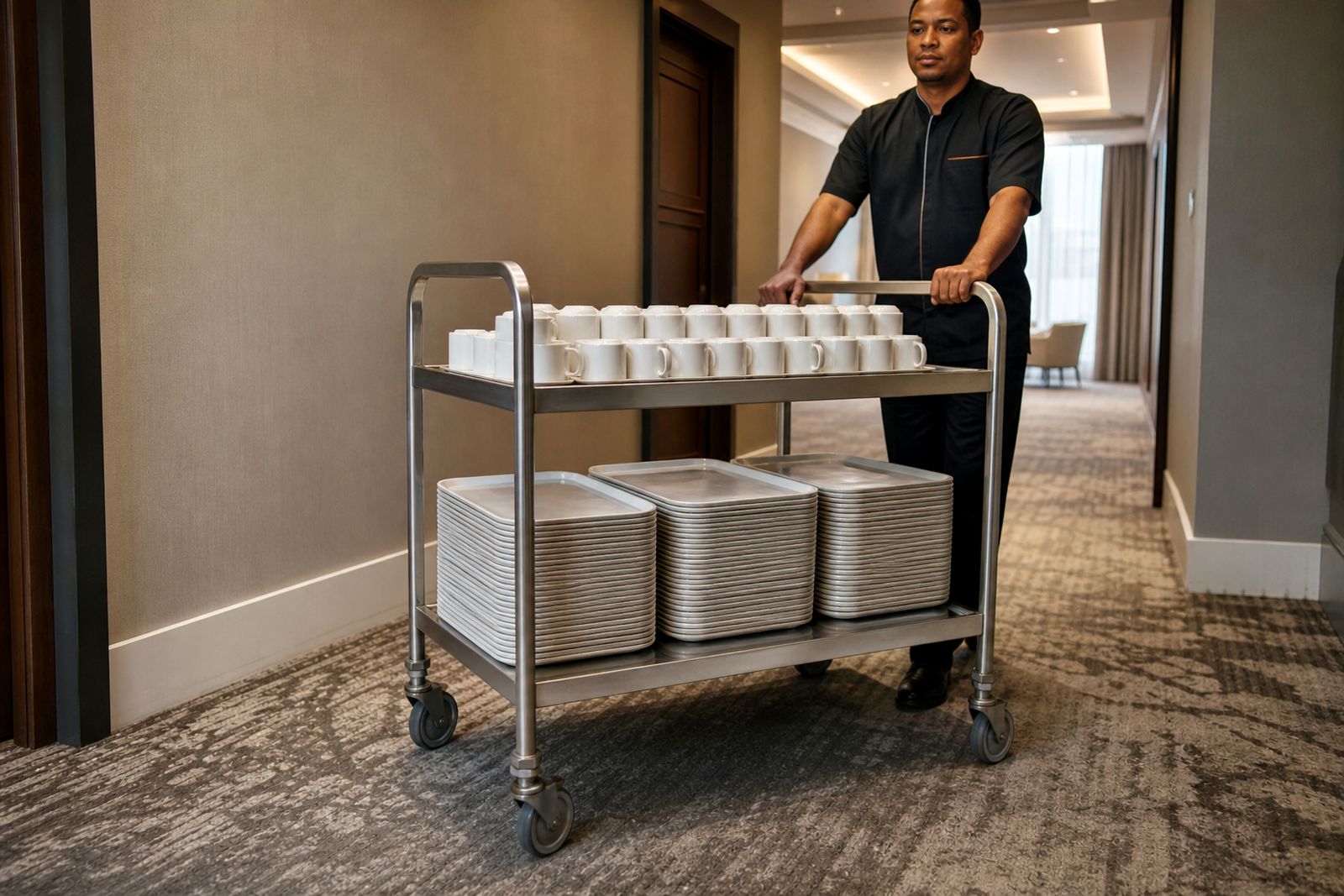
Tea, dirties and cutlery trolleys
Stainless steel trolleys for clearing, sorting and moving crockery, trays and cutlery in busy kitchens.
Read moreWhat our Catering Equipment customers say
Verified Google reviews
Questions we get asked
How do I choose between a prep sink and a pot sink?
Choose by task and bowl size. Prep sinks are usually for food prep support and lighter rinsing, while pot sinks suit larger cookware, trays and heavier wash-up. Drainage layout and municipal requirements should also be checked.
Can you supply prep, wash and serving equipment outside Cape Town?
Yes. We are based in Cape Town and supply across the Western Cape, with freight to the rest of South Africa. Use the enquiry form on our contact page and let us know your site location and what equipment you need.
Do you handle installation for washers, sinks or heated service units?
We can help you choose suitable equipment, but installation must be done by a qualified installer. Electrical, gas, plumbing, drainage and compliance requirements all depend on the site and the applicable municipal rules.
Ask for a quote
Send a note through our contact form with the equipment you are looking at, the kind of kitchen it is for and your delivery town, and our sales team will reply with a quote.
Open the contact form